
Crochet Hook Sizes Explained: A Simple Guide (Without Squinting at Tiny Numbers)
If you've ever stood in a craft aisle holding two crochet hooks that look almost identical — one stamped 5.0mm, the other H/8 — and wondered whether you needed both, you are not alone. Hook sizing is one of those small things that quietly stops people before they start. The good news: once you understand what the numbers mean, choosing is simple, and you rarely need to memorize a thing.
This is a plain-language crochet hook sizes guide for anyone who'd rather spend their afternoon making something than decoding a chart.
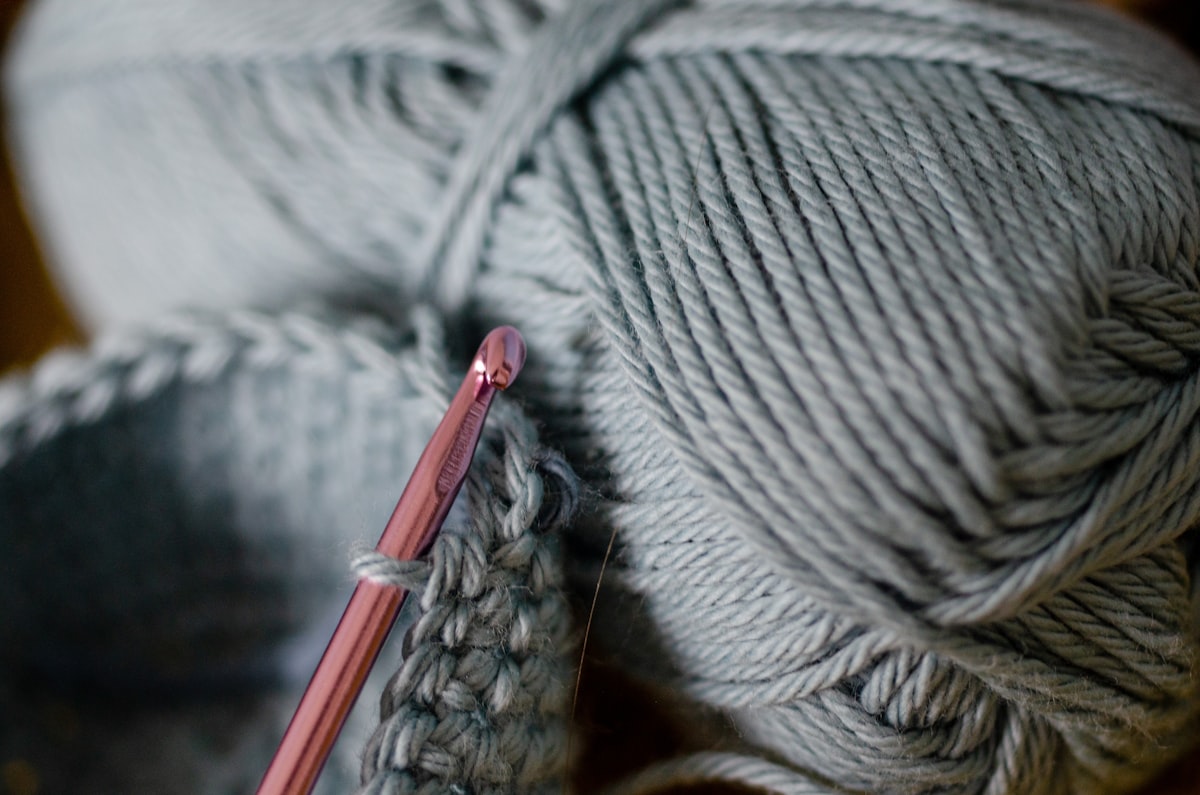
What the numbers and letters actually mean
A crochet hook's size is simply the thickness of its shaft — the part that decides how big each stitch turns out. There are two systems you'll see, and they describe the very same hooks:
Millimetres (the number that matters most). This is the hook's diameter, like 3.5mm, 5.0mm, or 6.0mm. Bigger number, bigger stitch. Millimetres are the clearest measure because they're exact and used worldwide.
Letters (the US system). American hooks add a letter-number label — B/1, H/8, J/10 and so on — that climbs alongside the millimetre size. They're a rough shorthand, so when in doubt, trust the millimetre marking stamped beside the letter.
That's the whole secret. If a pattern asks for a 5.0mm hook and your hook says 5.0mm (or H/8), you're holding the right tool.
How to choose without overthinking it
For most people picking up a hook for the first time — or coming back after years away — three middle sizes cover almost everything:
4.0mm (G/6) pairs beautifully with the light worsted yarn most beginner patterns call for. 5.0mm (H/8) and 5.5mm (I/9) are the comfortable, forgiving workhorses — big enough to see your stitches clearly, easy to keep an even tension. If you start anywhere, start in this range.
Go smaller (2.0–3.5mm) only for fine thread work and delicate doilies. Go larger (6.0mm and up) for chunky blankets, scarves and anything you want to finish in a weekend. Larger hooks and thicker yarn are genuinely kinder when your hands tire easily, because each stitch covers more ground and the project moves quickly.
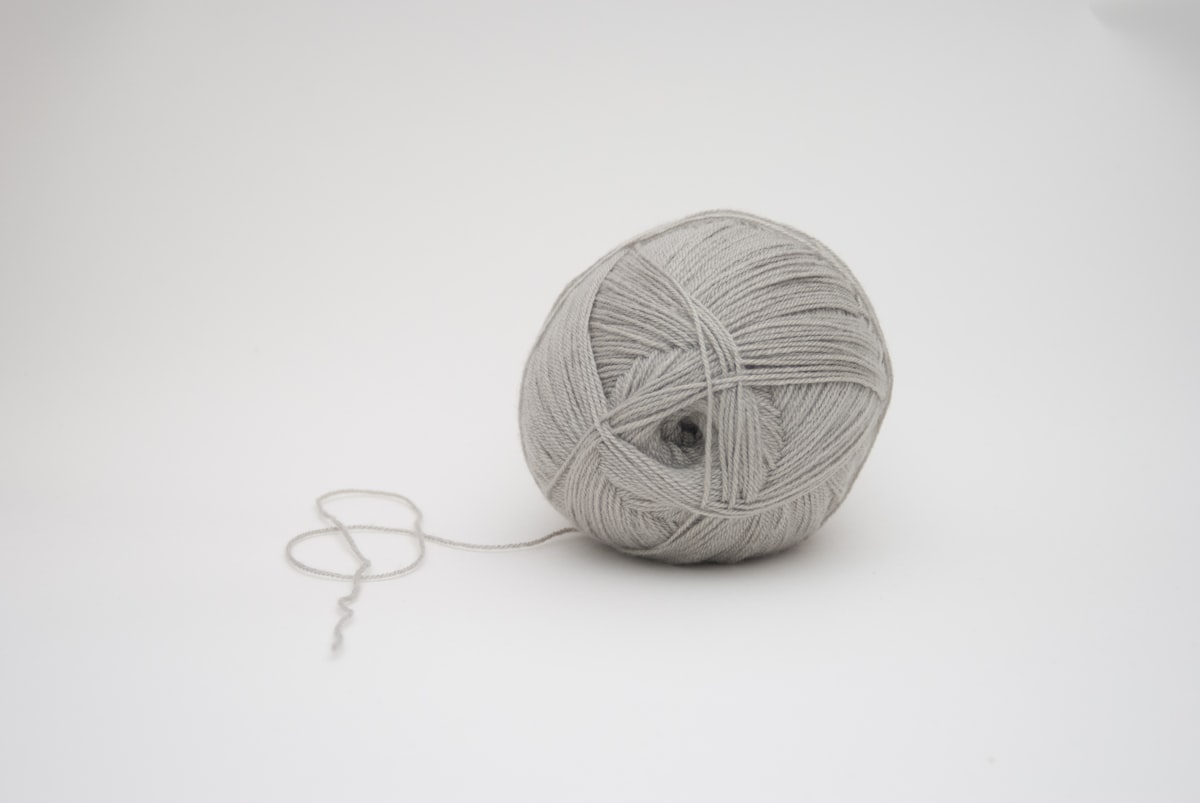
Match the hook to the yarn (the part patterns assume you know)
Every ball of yarn carries a little label, and on it is a suggested hook size — often shown as a tiny hook symbol with a number. That suggestion is your shortcut. Buy the yarn you love, glance at the label, and reach for a hook in that range. You can always go up or down half a size to loosen or tighten your fabric, but the label gets you 90% of the way there.
One gentle tip: lighter-coloured yarn in a medium weight makes your stitches far easier to see, which matters a great deal if you're choosing a size by eye rather than squinting at the engraving.
Why a full set beats buying one at a time
Here's the practical truth that saves beginners both money and frustration: rather than guessing and buying single hooks, a complete set means the right size is always in the drawer. Our 37-piece soft-grip hook set includes twelve sizes from 2.0mm to 8.0mm, each clearly labelled and fitted with a cushioned handle — so you can follow any pattern without a trip to the shop. If you'd like something smaller to begin with, the 9-piece soft-grip set covers the everyday 2–6mm range that most projects use.
And if you're brand new, the beginner crochet kit with video tutorials pairs a comfortable hook with yarn and step-by-step guidance, so the size question is decided for you while you find your feet. You can browse the rest of our easy-grip tools in the Comfortable Crafting collection.
A quick, honest note
Choosing a comfortable hook size — and a soft-grip handle to go with it — can make crocheting feel easier and let you stitch a little longer before your hands ask for a break. What it can't do is treat or change a medical condition such as arthritis; these are comfort tools, not remedies. If hand pain is new, sharp, or starting to limit your daily life, that's a conversation for your doctor, not a craft-aisle decision.
But for the everyday question of which hook do I actually pick? — keep it simple. Find the millimetre number, match it to your yarn label, and start in the friendly 4.0–5.5mm range. The rest you'll learn by doing, one happy stitch at a time.
Photos: Unsplash