Crochet Hooks for Sore Hands: 7 Easy-Grip Tools for Comfortable Stitching
If your hands are sore by the time you finish a few rows, you don't need to give up crochet — you usually just need to make it ask less of your hands. The good news is that the changes that help most are small, affordable, and easy to try on a pattern you already love. Here are seven gentle tools and habits that make a real difference when you're crocheting with sore hands.
1. A wider, softer hook
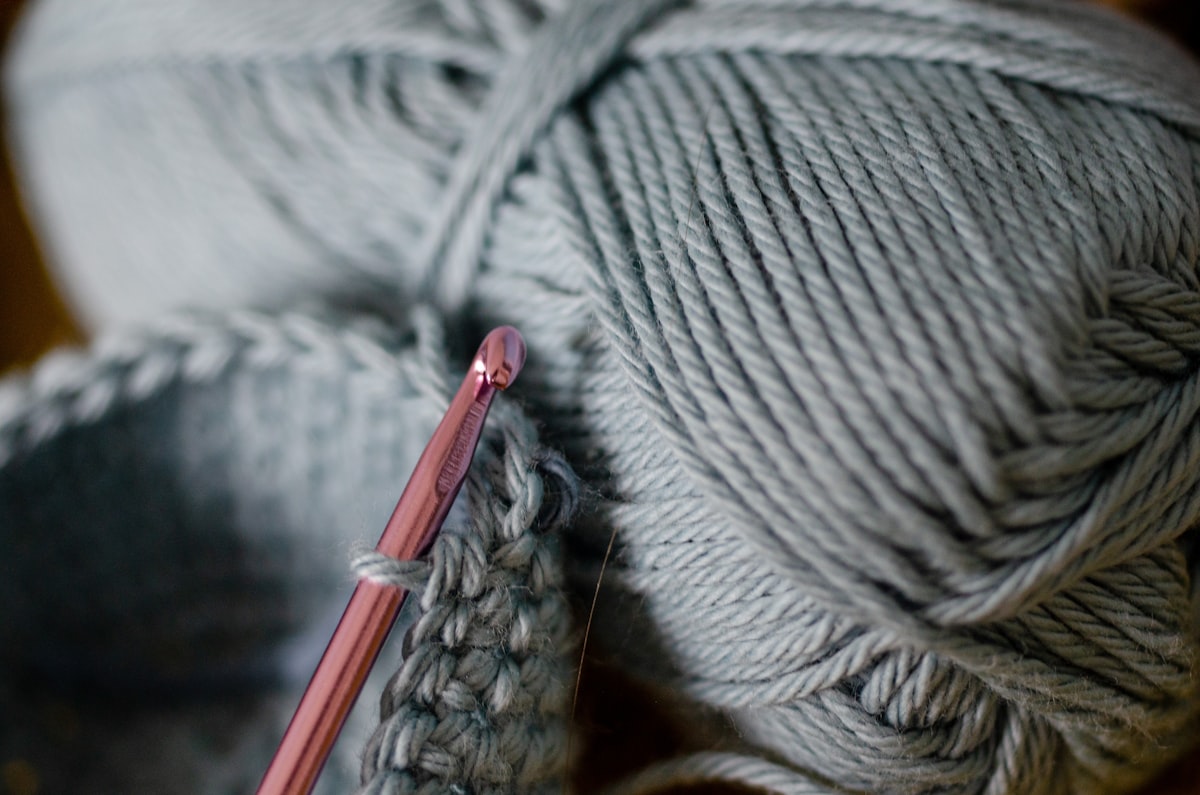
A standard aluminum hook is about as thin as a pencil lead, which forces your fingers into a tight pinch and keeps them there for hours. Switching to a wider, cushioned handle is the single change most crocheters tell us they feel right away. Our 37-piece ergonomic hook set uses soft rubber grips and extra-long handles so your fingers can rest around the hook instead of clamping onto it — a much gentler hold for stiff or tired hands.
2. A lighter set for small projects and travel
Not every project needs the full kit. For lacework, amigurumi, or crocheting on the sofa, a lighter hook is kinder to your hands. The 9-piece soft-grip silicone set covers the everyday sizes (2–6mm) with squishy, non-slip handles, and it's a low-cost way to try the cushioned-grip style before committing to a bigger set.
3. A yarn bowl so you're not chasing the ball
Here's a quiet culprit most people never notice: every time the yarn ball rolls away or tangles, you grip, tug, and re-tension — dozens of tiny strains per session. A bamboo yarn bowl keeps the ball in one place and feeds the strand smoothly, so your hands stay relaxed and your tension stays even. It's a small thing that takes a surprising amount of fidgeting out of an afternoon.
4. A row counter to stop the re-counting
"Was that row 34 or 43?" When you lose your place, the natural reflex is to grip the work tighter while you recount — another little squeeze your hands don't need. A simple mechanical row counter holds the number for you, so you can keep your hold light and your mind on the rhythm rather than the math.
5. Stitch markers that do the remembering
Locking stitch markers let you mark the start of a round, a pattern repeat, or the spot you keep losing — so you're not straining to peer at tiny stitches or pulling work apart to find your place. Less squinting and less fidgeting both mean less effort for your hands.
6. Warm hands before you start
Stiff hands move more easily when they're warm. A minute of warm water, a heat pack, or simply rubbing your palms together before you pick up the hook can loosen things up. It costs nothing and it's an easy habit to build into the start of every session.
7. A comfortable setup — and permission to pause
Good light so you're not hunching, a cushion to support your forearms, and a hook size that matches your yarn all reduce the work your hands do. Most importantly, take small breaks before your hands ask you to. Stretching your fingers every fifteen or twenty minutes keeps a short ache from becoming the reason you stop for the day.
A word about honesty
You'll see crochet tools online described as if they can fix arthritis or cure sore hands. They can't, and we won't tell you otherwise. What a well-chosen, easy-grip hook can do is ask less of your hands — a lighter grip, less pinching, less effort per stitch. For many crocheters, that's the difference between a few uncomfortable rows and a whole cozy afternoon. If pain is limiting your daily life, that's a conversation for your doctor, not a product page.
Where to start
If you change one thing, make it the hook: a wider, softer, longer handle in the size you use most, tried on a familiar pattern. Most people know within a single evening whether it helps. When you're ready for the rest — bowls, counters, and gentle accessories all chosen with hardworking hands in mind — our Comfortable Crafting collection gathers them in one place. Your hands have made a lot of lovely things. They've earned tools that treat them kindly.
Photos: Unsplash