How to Hold a Crochet Hook Without Hand Fatigue: Grips, Tools and Gentle Habits
Twenty minutes into a lovely pattern and your hand is asking for a break — sound familiar? If you're wondering how to hold a crochet hook without hand fatigue, the answer is rarely "toughen up." It's usually a small stack of fixable habits: the grip you use, how hard you squeeze, the handle you're holding, and the way your work station is set up. Here's the plain-spoken version of each.
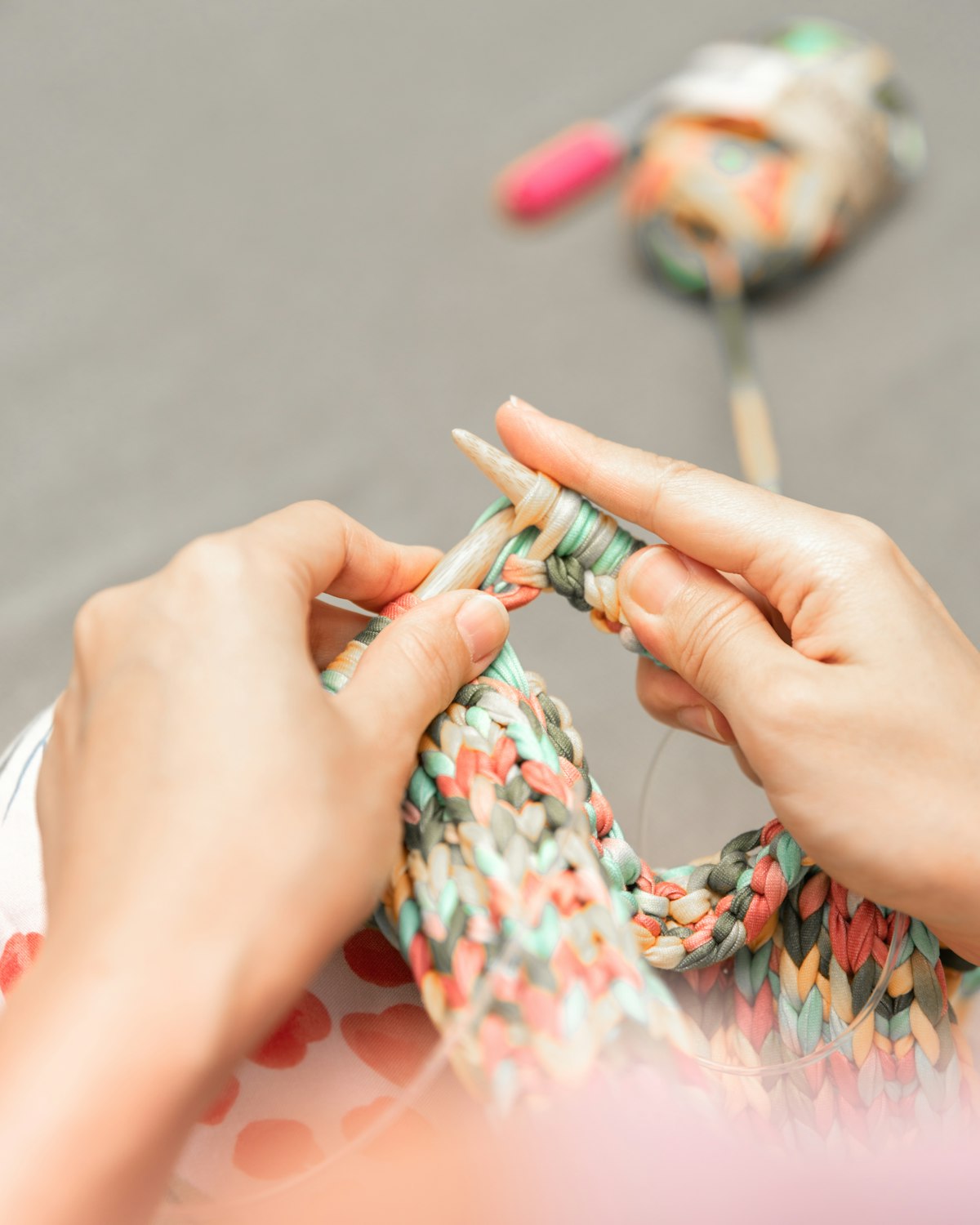
Pencil grip vs. knife grip
There are two classic ways to hold a hook. The pencil grip holds it like a pen, resting between thumb and forefinger — precise, but it concentrates the work in your fingertips. The knife grip (overhand) wraps your whole hand over the hook like a dinner knife — it recruits the bigger muscles of the hand and wrist, so each stitch costs your fingers less.
Neither is wrong. But if your fingertips or thumb ache, try the knife grip for an evening. Many crocheters with stiff hands find the switch alone buys them an extra hour of comfortable stitching. Expect a clumsy first half hour — your hands need time to relearn.
Loosen the death grip
Most hand fatigue isn't from the stitches — it's from squeezing the hook far harder than the yarn requires. Two habits help:
Let your yarn hand control tension. If the yarn flows evenly over your fingers, your hook hand doesn't need to clamp down. Experiment with how you thread yarn through your non-hook hand until the feed feels smooth.
Do a squeeze check every few rows. Pause, notice how tightly you're gripping, and deliberately relax to about half that pressure. The stitches will look exactly the same — your hand just stops paying the surcharge.
Let the handle do the work
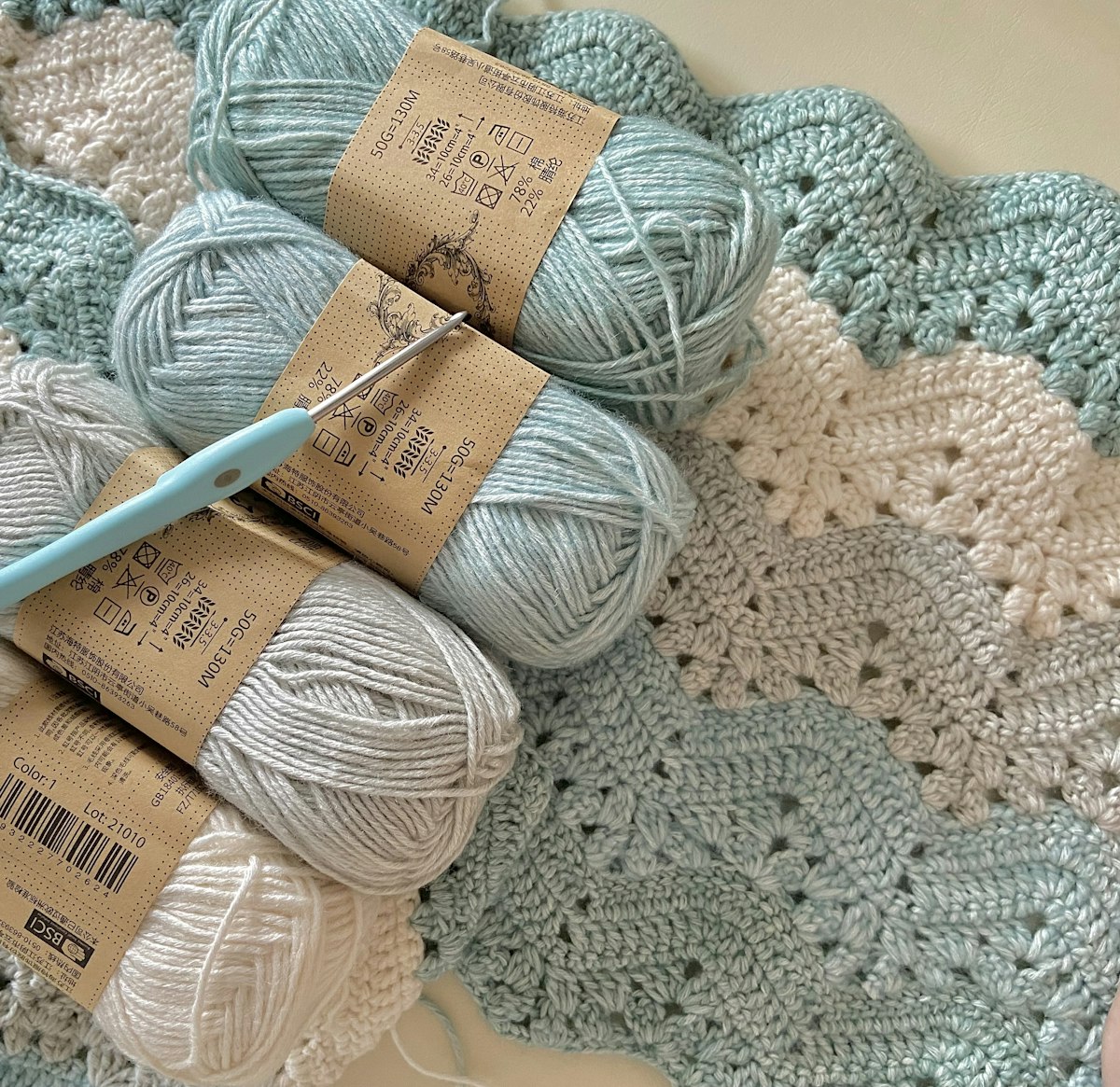
A bare aluminum hook is about as thin as a pencil lead, which forces a tight pinch no matter how good your technique is. A wider, cushioned handle lets your fingers rest around the hook instead of clamping onto it — the single biggest equipment change for tired hands.
Our 37-piece ergonomic soft-grip set pairs extra-long rubber handles with smooth aluminum heads in every size you'll ever need; if you'd rather try the style before committing, the 9-piece silicone-handle set covers the everyday sizes for less than the price of two skeins of good yarn.
Support the rest of the machine
Your hand is connected to a wrist, an elbow and a shoulder — and they all chip in. Three small upgrades: sit where your elbows have support (a cushion on the armrest works); keep your work roughly at lap height so your wrists stay straight rather than curled; and crochet in good light, because squinting makes everyone grip harder without noticing.
Then there's the quiet rule every physiotherapy-minded crafter swears by: take a two-minute break every twenty minutes or so. Put the hook down, open and close your hands, wiggle your fingers, roll your shoulders. Rhythm beats marathon.
Tidy the station, spare the hands
Every time the yarn ball rolls away or tangles, you grip, tug and re-tension — dozens of little extra efforts per session. A yarn bowl feeds yarn smoothly so your hands stay relaxed, and a row counter takes the "hold everything tighter while I recount" moments off the table. Both live in our Comfortable Crafting collection, alongside the soft-grip hooks.
An honest word
Better grips, softer handles and gentler habits can make crocheting ask much less of your hands — lighter pinch, less effort per stitch, longer comfortable sessions. What they can't do is treat arthritis or any other condition, and we won't pretend otherwise. If pain is showing up outside your crochet time or getting steadily worse, that's a conversation for your doctor; a hook — even a lovely one — isn't medical care.
Try one change tonight
Pick a single adjustment — the knife grip, the squeeze check, or a wider handle — and give it one familiar pattern's worth of testing. Most people can feel the difference within an evening. Your hands have a lot of beautiful things left to make; the goal is keeping them happy while they do it.
Photos: Unsplash