Learning to Crochet Over 50: A Gentle Starter Guide
Maybe you've watched a friend turn a ball of yarn into a blanket and thought, I'd love to do that — but is it too late to learn? Let's settle that question first: no. Crochet asks for no special strength, no perfect eyesight, no background in crafts. It asks for a hook, some yarn, and a little patience with yourself. People learn to crochet at 52, at 67, at 80 — and many say they wish they'd started sooner.
Why now is actually a lovely time to start
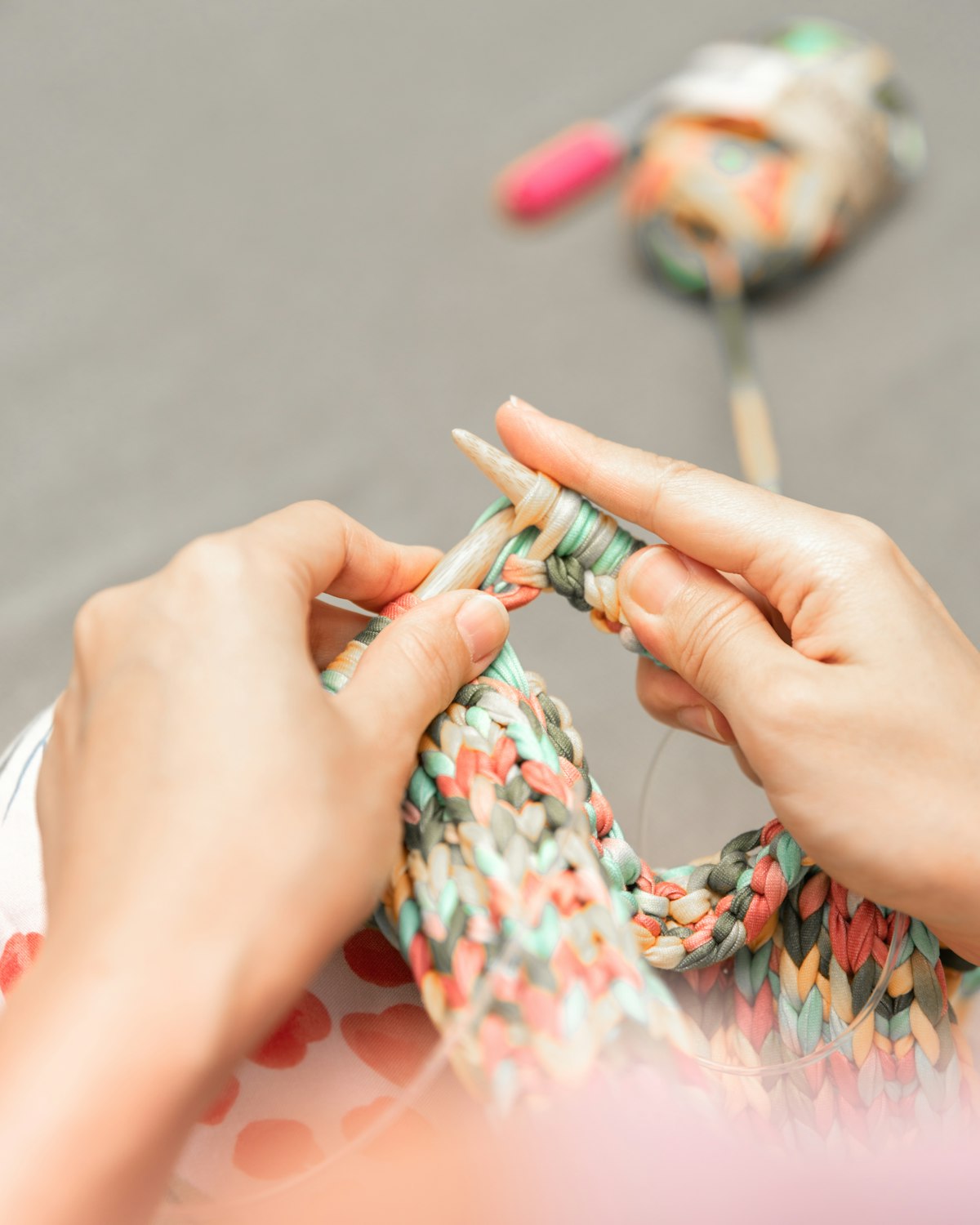
Learning to crochet over 50 comes with quiet advantages. You likely have more patience than you did at 25, and patience is the only real prerequisite. You know how you learn best — watching, reading, or doing. And you may finally have pockets of unhurried time: an afternoon cup of tea, a quiet evening, a long phone call where your hands want something to do. Crochet fills those moments beautifully, one stitch at a time.
There's no test and no deadline. A wobbly first row is not a failure; it's simply what first rows look like — everyone's, at every age.
The short list of what you need
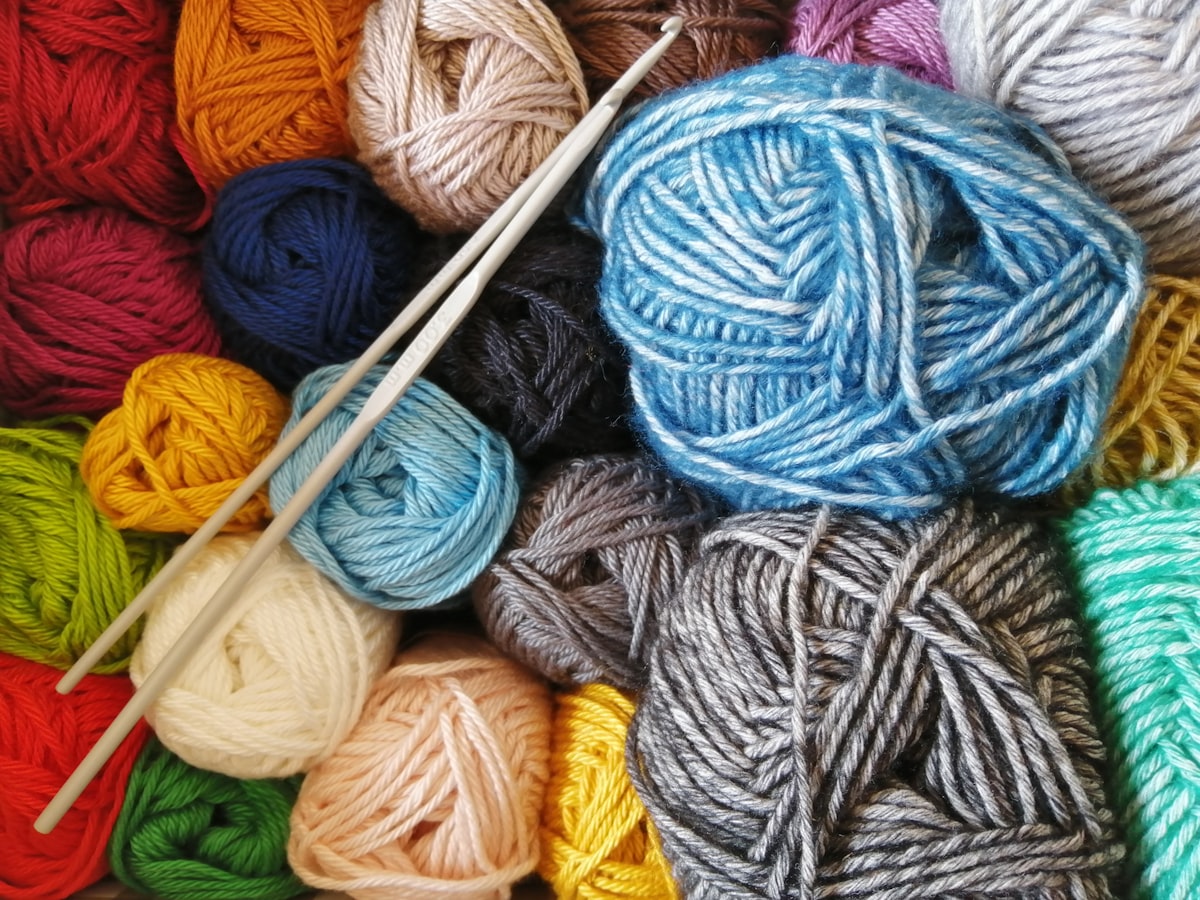
Crochet has one of the smallest starting kits of any craft: one hook, one ball of smooth light-colored yarn, a pair of scissors, and a yarn needle for tidying ends. That's truly all. If you'd rather not gather pieces one by one, a beginner crochet kit with video tutorials puts everything in one box — including lessons you can pause and replay as many times as you like, with nobody watching over your shoulder.
Choose your first hook kindly
Here's the one piece of advice that matters most for hands that are 50-plus: skip the skinny metal hook. A bare aluminum hook is thin as a pencil lead, and holding it forces your fingers into a tight pinch. Choose a hook with a wide, soft, cushioned handle instead — your grip stays relaxed, and relaxed hands learn faster and last longer. A medium size (5mm or 5.5mm, often labeled H or I) with smooth, light yarn is the classic comfortable start. If you want options as you grow, an ergonomic soft-grip hook set covers every size you'll ever need, each with the same easy hold.
Your first weeks, gently
Start with the chain stitch — just loops pulled through loops — and make chains until they feel boring. That boredom is your hands learning. Then try single crochet rows and aim for a small, honest first project: a dishcloth, a coaster, a simple scarf. Small projects finish quickly, and finishing is what keeps beginners going.
Practice in short, comfortable sittings — fifteen or twenty minutes is plenty at first. Set the work down before your hands tire, not after. Loosen your grip whenever you notice it tightening; the yarn doesn't need to be held captive, just guided.
A word of honesty
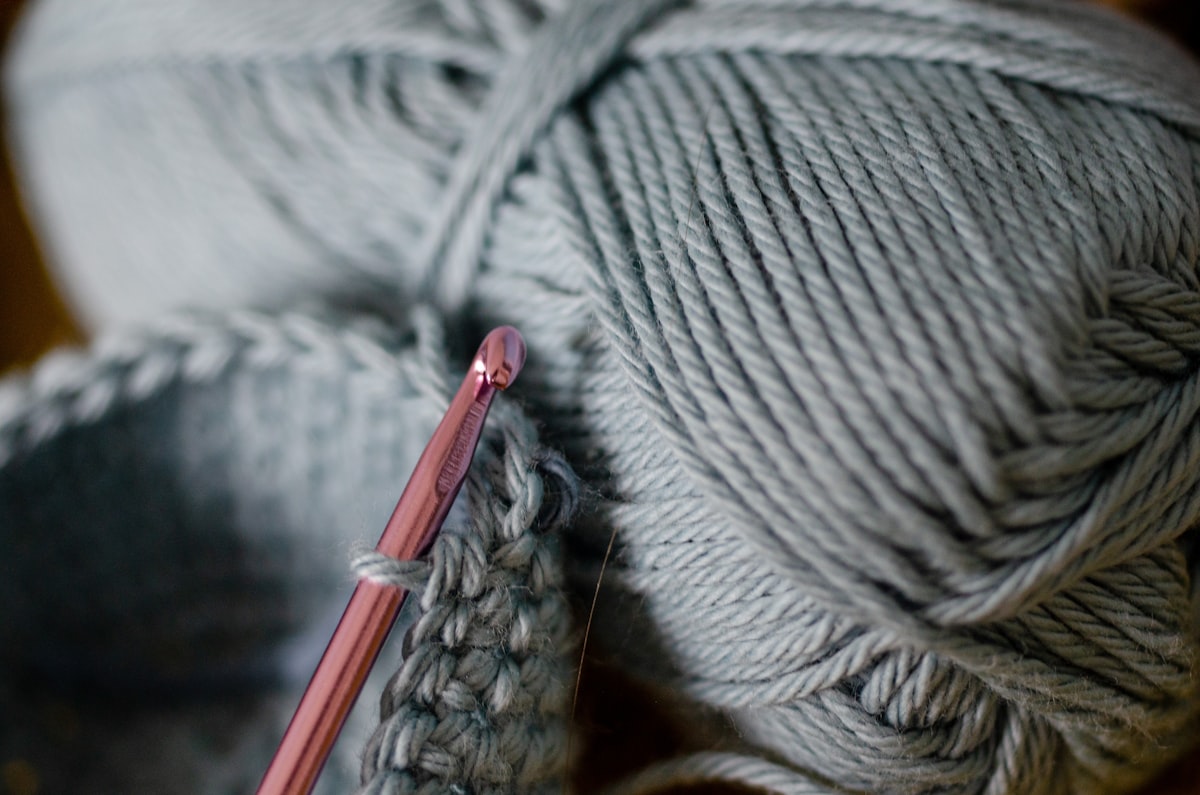
You'll sometimes see crochet — or crochet tools — described as if they can fix stiff joints or treat arthritis. They can't, and we won't tell you otherwise. What a soft-grip hook and short, relaxed sessions can do is ask less of your hands, so learning stays comfortable. If hand pain is limiting your daily life, that's a conversation for your doctor — and crochet will happily wait for you.
Begin where you are
Pick up a hook this week, make one wobbly chain, and you're no longer thinking about learning to crochet — you're crocheting. When you're ready for tools chosen specifically for comfortable hands, our Comfortable Crafting collection gathers the gentle-grip essentials in one place.
Your hands have decades of skill in them already. Crochet is just a new way to let them show it.
Photos: Unsplash