
Stiff Hands and Crochet: How to Set Up for Easier, Longer Sessions
You sit down to crochet, looking forward to an easy hour with your hooks. Twenty minutes in, your hand starts to complain — a tightness across the palm, an ache at the base of the thumb — and you put the work down sooner than you wanted to. If that sounds familiar, here is the good news: the problem is usually the set-up, not your skill or your hands. A few small changes to how you arrange your seat, your light, your yarn and your tools can reduce hand fatigue while you crochet and let you stitch in comfort for longer.
Start with the chair, not the hook
Most hand fatigue actually begins at the shoulders. If you are hunched forward or holding your arms up with no support, the small muscles in your hands end up doing tense, defensive work all session. Choose a chair with a firm back, sit well into it, and bring your project to you rather than leaning over it. A cushion on your lap or under your forearms lets your elbows rest at a comfortable, open angle. When your shoulders and wrists are relaxed, your fingers can stay loose — and loose fingers tire far more slowly than gripping ones.
Let your eyes do less work too
Squinting is its own kind of strain, and it quietly makes you tense everywhere else. Crochet near a window in the daytime, and add a warm, direct lamp for the evening so the stitches stay easy to see without leaning in. If you are working dark yarn or a fiddly pattern, a lighted handheld magnifier can bring the stitches back into focus so your hands and neck can stay in their comfortable resting position. Good light keeps the whole upper body calmer.
Tame the yarn so you stop fighting it
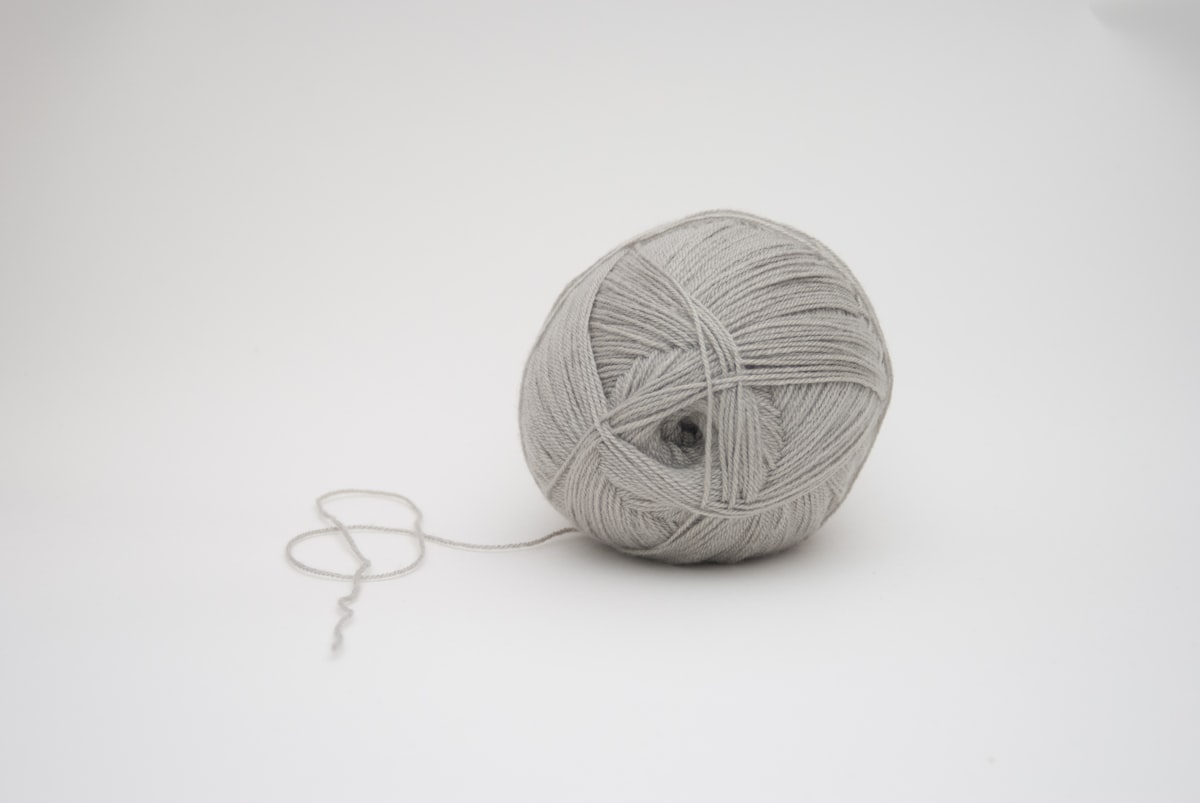
Half the little tugs and reaches in a session come from yarn that rolls away, snags, or feeds unevenly. Every time you stop to chase a runaway ball or yank a tangle free, your hand grips harder than the stitching itself ever asked it to. A bamboo yarn bowl keeps the ball in one place and feeds the strand smoothly, so the yarn comes to you with no surprises. It is a small thing that removes dozens of small efforts over an afternoon — and those small efforts are exactly what add up to a sore hand.
Choose a hook that meets your hand halfway
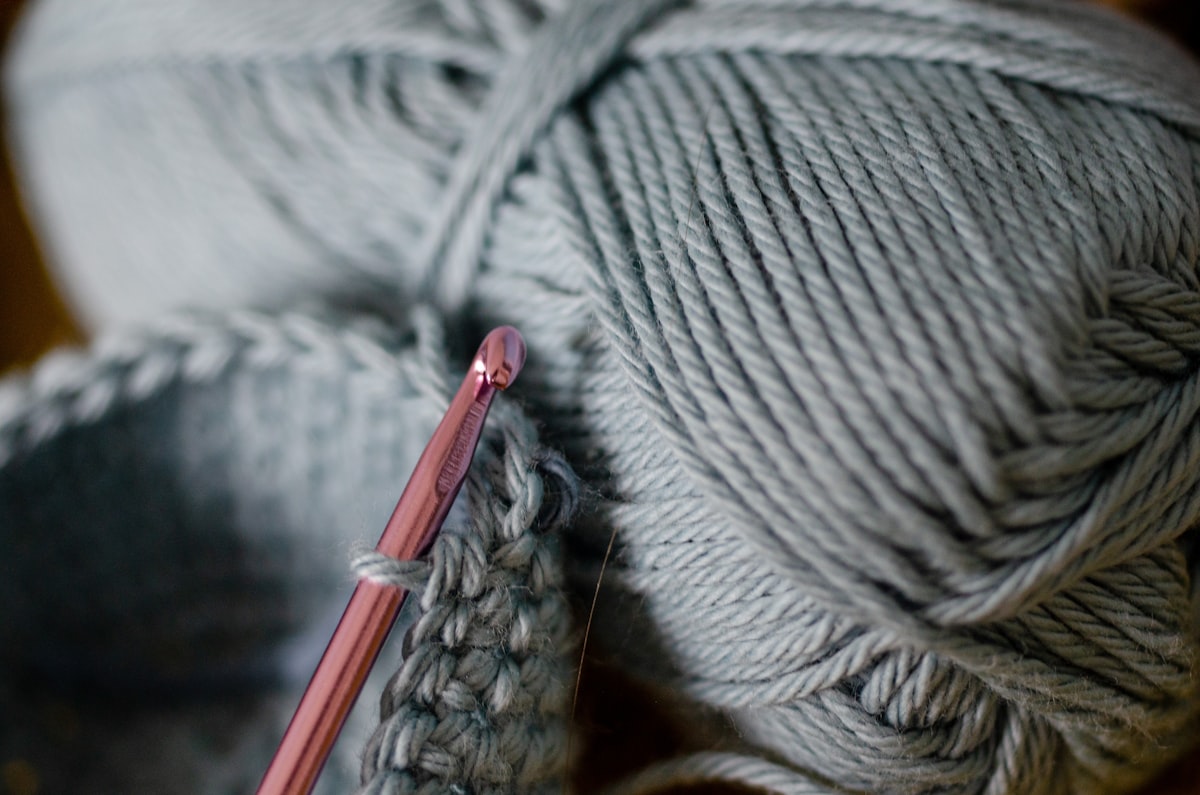
Thin metal hooks give your fingers nothing to hold but a hard, skinny shaft, so they squeeze to keep control. A wider, cushioned handle does the opposite: it fills the hand, spreads the pressure, and asks for a gentler grip. If your current hooks dig in after a while, a set of soft-grip ergonomic crochet hooks can make the single biggest difference to how long you last in one sitting. Look for a barrel you can hold without your fingertips going white — comfort first, always.
Pace the session like a walk, not a sprint
Even with everything set up well, hands like a rhythm of work and rest. Try crocheting for about twenty minutes, then pausing to spread your fingers wide, roll your wrists slowly, and shake your hands loose for a moment before carrying on. Keep water nearby and your project at a tidy height. Stopping for a short break before you feel the ache — rather than pushing through it — is what lets a comfortable hour stretch into two. You can find more comfort-first tools for relaxed stitching in our Comfortable Crafting collection.
A gentle, honest note
These suggestions are about comfort and easier crafting — nothing here is medical advice, and a soft-grip hook or a yarn bowl can't treat or cure anything. They simply ask less of your hands so the parts of crochet you love stay easy and pleasant. If hand pain is new, persistent, or worrying, that is a conversation for your doctor or an occupational therapist, who can advise on what's right for you. Crochet should feel like the restful part of the day — set the scene kindly, and your hands will happily stay along for longer.
Photos: Unsplash