
Useful Gifts for Active Grandparents Who Like to Stay Busy
Shopping for a grandparent who is still going strong is its own kind of puzzle. They don't need much. They'll tell you not to fuss. And most gift guides point in two unhelpful directions at once: expensive technology they would have to set up, or keepsakes that are lovely for one afternoon and then live on a shelf.
If the grandparent you're shopping for still crochets on the sofa most evenings, still cooks their own dinner, still reads two books a week and still fixes the hem themselves, this list is for you. The best gift for someone like that isn't a reminder that the years are adding up. It's a small, well-made upgrade to something they already love doing.
Three questions that make a gift land
Before you buy anything, run the idea past three quick tests. They filter out most of the clutter.
- Does it fit something they already do? A gift that slots into an existing habit gets used in the first week. A gift that requires a new hobby usually doesn't.
- Does it remove effort without taking over? The good ones make a task lighter while leaving them fully in charge of it. That distinction matters more than people realise.
- Would they have chosen it themselves? If it looks like something bought for a capable adult with good taste, it lands. If it looks clinical, it tends to sit in a drawer.
For the one who's always making something
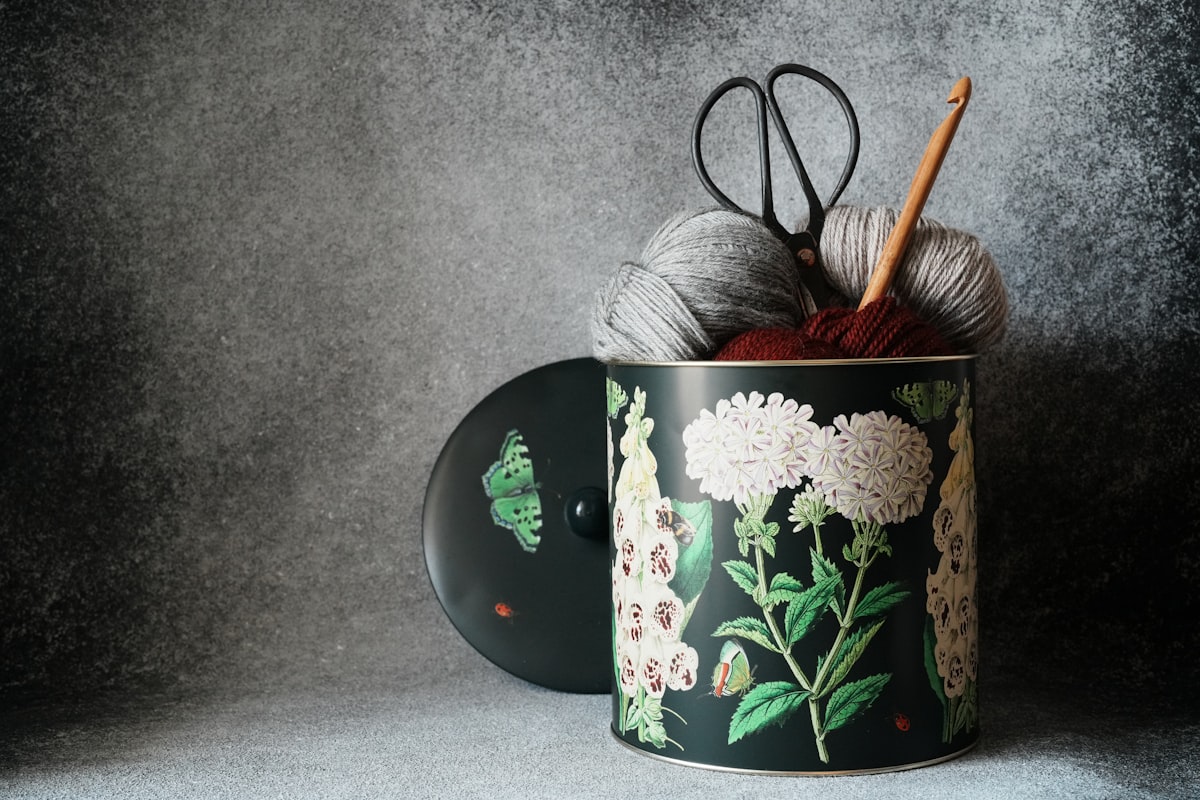
If there's a project bag by their chair, the most welcome gift is usually a better version of a tool they already own. A soft-grip hook set is the classic example: cushioned handles mean less pinching between finger and thumb, so a long evening's stitching asks less of the hand than a thin metal hook does. Our 37-piece ergonomic crochet hook set covers every common size in one labelled case, which also solves the very real problem of hunting for the 5mm at nine o'clock at night.
Pair it with a bamboo yarn bowl if you want something that looks like a gift on the table rather than a tool. It keeps the ball from rolling across the floor, which sounds small until you count how many times an evening someone bends to retrieve it.
For the reader — and anyone doing close work
Small print is the quiet frustration nobody mentions. A lighted handheld magnifier is genuinely useful for medicine labels, seed packets, crossword clues and fine stitches alike, and it's the kind of thing people rarely buy for themselves. If they're a reader too, the Read & Stitch Comfort Set adds a wooden page holder that keeps a paperback open one-handed, so the other hand is free for tea.
For the one who still runs their own kitchen
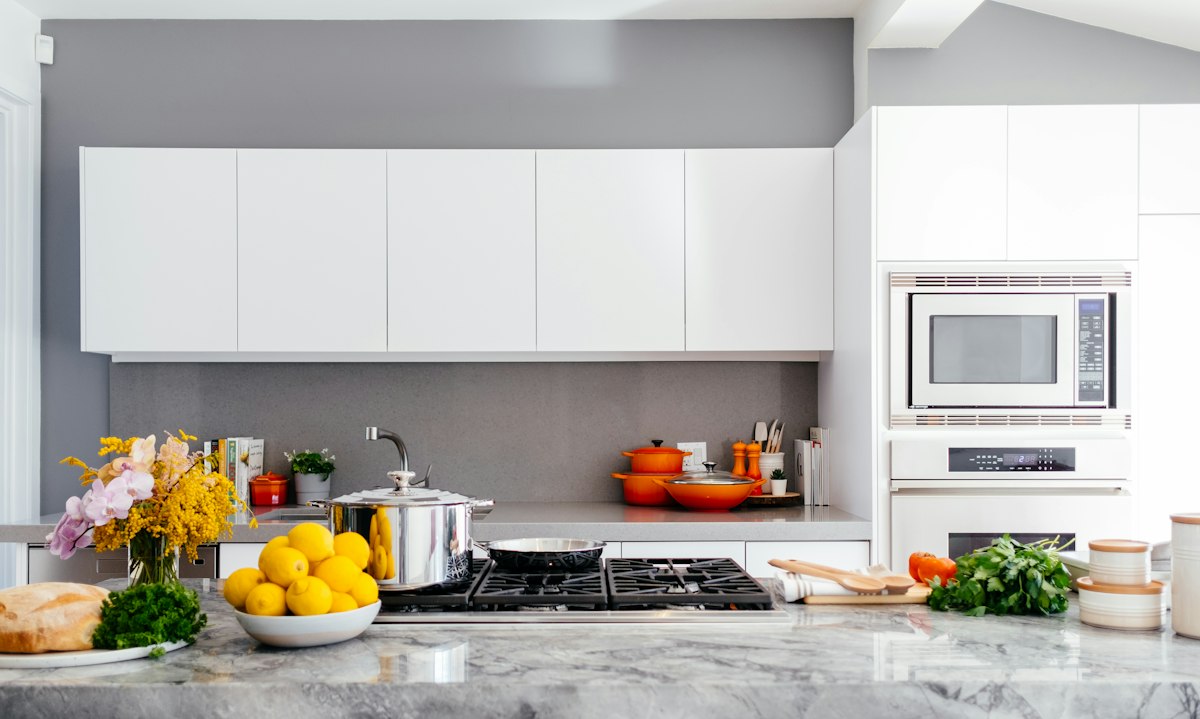
Cooking for yourself is one of the last things anyone wants help with, which is exactly why a tool that hands the job back is such a good gift. An under-cabinet jar opener mounts out of sight beneath a cupboard and holds the lid while they turn the jar — no squeezing, no waiting for someone stronger to come round. It's the single most-given item in our Everyday Independence collection for exactly that reason.
For the mender who still fixes things properly
Some people simply do not throw away a shirt over a missing button. For them, self-threading needles are a small marvel: the eye is slotted at the top, so the thread drops in from above instead of being aimed at a hole the size of a pinhead. Under ten dollars, and quietly appreciated every time a hem goes.
What to skip
Two categories are worth avoiding unless you know they want them. First, anything that needs an app, an account and a Wi-Fi password to work — the setup burden usually lands on the giver anyway. Second, anything packaged in the language of decline. The same tool marketed as "comfortable and easy to grip" gets used; marketed as being for the frail, it gets politely put away.
A note on how to give it
Give it the way you'd give any good tool to a capable person: "I saw this and thought of your projects." No demonstration unless they ask, no follow-up questions about whether they're managing. If it's genuinely useful, they'll find that out themselves — and that's a much nicer discovery than being shown.
An honest note
Everything here is a comfort and convenience tool, not a medical device. None of it is meant to treat or change any health condition, and we don't claim it does. What these tools do is take some of the effort out of tasks people already want to keep doing. If a grandparent's hand pain, grip or eyesight is new or getting worse, that's a conversation for their doctor or an occupational therapist, not a shopping list.
Where to start
If you know they craft, start with the Comfortable Crafting collection. If you're not sure what they'd want but you know they like to do things for themselves, Everyday Independence is the safer shelf — the openers and reading aids there suit almost anyone who's still running their own household.
Photos: Unsplash